
Discover how the Caucasian stonecrop turns into a cool oasis during hot summers and becomes the happiest resident of your balcony garden!
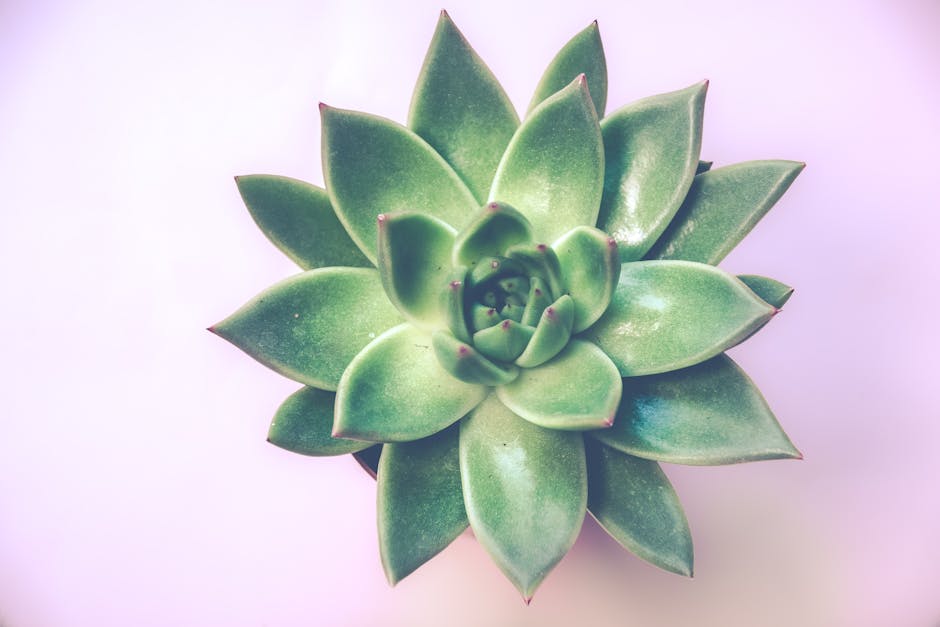
Pexels / Ylanite Koppens
There is something reassuring about a plant that not only survives the summer heatwave but also looks beautiful on the balcony – and the Caucasian stonecrop (Sedum spurium) is exactly such a companion during the hot months. Have you noticed that some plants simply don’t give up, even when the sun scorches and the soil dries out rock hard?
The Caucasian stonecrop (Sedum spurium) is a fleshy-leaved succulent native to the Balkans and the Caucasus Mountains, but it has become a favourite among balcony gardeners today. It grows low and spreads out, and it tolerates blazing sun and drought exceptionally well, making it a true saviour for balconies in summer.
Have you also noticed that on most balconies, the fate of plants is sealed during the summer months? The blazing sun and scarce rainfall often pose a harsh test. However, the Caucasian stonecrop has not become the summer hero of balcony gardeners by chance. This plant has naturally adapted to endure prolonged scorching sunlight and only needs watering when the soil is completely dry.
This ability comes from its ancient habitat, where it lives on rocky, stony soils and must conserve water very sparingly. You don’t need to worry if your balcony gets so hot during the day that even the concrete seems to glow – the stonecrop thrives in these conditions.
Question: Which plants have you tried during the summer heat that ultimately couldn’t cope?
One of the Caucasian stonecrop’s greatest tricks lies in its leaves. These leaves are thick and fleshy for a reason: they act almost like water reservoirs, storing moisture for the plant so it can survive several days without watering.
This succulent foliage enables the stonecrop to endure the driest periods when other plants are already suffering from dehydration. Personally, I’m always amazed at how resilient it is, while its leaves remain soft and pleasant to the touch.
Do you usually check the condition of the leaves to know when to water? If not, give it a try, as this helps avoid overwatering, which is one of the biggest enemies of succulents.
We love the Caucasian stonecrop not just for its practicality but also because it looks great in balcony boxes. The plant features leaves in various shades of green, bluish-green, and sometimes reddish hues, adding diverse textures and colours to summer arrangements.
In terms of shape, the stonecrop’s spreading habit creates a lovely, gently undulating surface that can be very soothing in a crowded urban environment. The plant is a bit like a green blanket that casts a cooling shade on the soil even in the heat.
Question: Have you ever thought about turning your balcony into a little sanctuary where even a simple plant like this can soothe your eyes and soul?
Let me share a story that I think shows why I love the Caucasian stonecrop so much. One particularly hot summer, all my balcony plants began to suffer from the blazing sun and infrequent watering – geraniums almost burnt, and petunia leaves yellowed.
Yet the stonecrop happily spread out in its balcony box, looking as green as if I had watered it just yesterday. That sight gave me strength not to give up and to choose more resilient plants in the future. Since then, the stonecrop has been my summer balcony’s “guardian,” always holding its own when the heat is on.
If you want stonecrop on your balcony, be sure to choose soil that is well-aerated and doesn’t retain water for long. Personally, I always use a light, sandy-gravelly mix recommended specifically for succulents. This soil not only prevents overwatering but also supports healthy root development.
For the balcony box, make sure it has good drainage holes because stonecrop dislikes having its roots constantly sitting in water. A good-quality pot or plastic balcony box at least 20–25 cm deep is ideal, providing enough room for roots but not so large that the soil dries out too quickly.
Question: What kind of soil do you use in your balcony boxes at home? Have you tried mixes tailored specifically for succulents?
Watering the Caucasian stonecrop is one of the easiest things in the world, but there are a few small tricks worth following. I believe the best approach is to water only when the soil is completely dry but before the leaves start to shrivel or wrinkle.
This usually means watering once a week during the summer heat, but of course, it depends on your balcony’s microclimate, the container size, and the weather. It’s best to water in the morning or evening so the water doesn’t evaporate immediately and the plant has time to absorb it.
Do you watch your plants’ leaves to tell when they’re thirsty? I’ve noticed that stonecrop leaves become slightly dull, as if losing their shine, when they need water.
The Caucasian stonecrop doesn’t require much nutrition, which I think is a huge advantage if you don’t want to complicate care. I usually give it a little gentle liquid fertiliser in early spring and early summer to help it grow well and stay healthy.
It’s important not to overdo it, as too many nutrients can do more harm than good. The best choice is a mild liquid fertiliser made specifically for succulents, applied at most once every two weeks.
Do you fertilise your succulents? I think liquid fertilisers are the easiest and safest option compared to natural manures.
Although the Caucasian stonecrop doesn’t require serious pruning, it’s worth shaping it occasionally to keep it looking neat and attractive in the balcony box. I usually check the plant in mid-summer and pinch off any dried or excessively long shoots.
This not only improves its appearance but also stimulates growth and bushiness. If you like tidy, compact shapes, definitely try this method—the plant will thank you for it.
Question: Do you prune your succulents to shape them? What has been your experience?
You wouldn’t have thought that a simple Caucasian stonecrop could be such a great help on hot summer days on your balcony, right? The plant’s leaves and stems help reduce ambient temperature through transpiration, acting like a natural air conditioner. This evaporation not only increases humidity but also eases the heat, which is especially appreciated in urban microclimates.
Think about it: when the sun blazes and concrete walls reflect the heat, the stonecrop offers a refreshing atmosphere that makes your balcony less dry and hot. So this plant is not just decoration but a little green oasis actively contributing to a more pleasant environment.
We love the Caucasian stonecrop’s cooling effect not only because of transpiration but also because it provides shade and can act as a windbreak on the balcony. This is especially important if you live somewhere with all-day sun or frequent winds. The stonecrop’s dense, fleshy leaves and compact growth offer protection against light gusts, making your balcony not only cooler but also more welcoming.
This plant is a truly practical companion in urban environments where concrete and asphalt reflect a lot of heat and the wind often dries out plants. The stonecrop’s shading function also protects other plants, turning your balcony into a real living fortress against summer heat.
The Caucasian stonecrop affects not only the physical environment but also our spirit! Just think how good it feels to retreat to a green corner at the end of the day, where plants quietly whisper and the stonecrop’s soft green soothes your eyes and soul. This little green oasis in the urban concrete jungle plays a real stress-relieving and mood-enhancing role.
If you haven’t yet considered this aspect of your balcony, now is the time to ask yourself: How can I make my balcony even more homely and calming with the help of stonecrop? The company of plants and closeness to nature have been proven to reduce stress and improve mood – why not enjoy this every day?
The Caucasian stonecrop is not only beautiful on its own but also pairs wonderfully with other plants that have similar needs. Succulents and drought-tolerant plants are its best friends, as they prefer similar conditions and together create a truly Mediterranean-style balcony world.
If you enjoy colourful, varied balconies, it’s worth trying, for example, cacti, other stonecrop species, or even lavender, all of which thrive alongside stonecrop. Such a group is not only aesthetically pleasing but also easy to maintain, requiring little care and adapting excellently to hot, dry conditions.
| Plant | Best reason to pair | Care requirements |
|---|---|---|
| Cactus | Drought-tolerant, distinctive shape | Little water, lots of sunlight |
| Lavender | Fragrant, attractive splash of colour | Sunlight, moderate watering |
| Crassula (succulent) | Beautiful leaves, easy care | Little water, sunny spot |
Do you love creative projects? Then the Caucasian stonecrop can be your best friend! This plant makes a perfect central element for a unique balcony composition that you can assemble yourself. Imagine, for example, stonecrop planted in a colourful old wooden box or a rustic pot, surrounded by small, cheerful flowers and a bit of decoration.
Such compositions are not only eye-catching but also brighten your balcony’s atmosphere while benefiting from stonecrop’s cooling effect. Plus, with a little handiwork, you can create a truly unique, personal piece that will surely lift your spirits.
Balconies are often limited in size, but stonecrop is a great companion even here: it looks fantastic in hanging baskets or small rock gardens. Hanging baskets are especially practical because they don’t take up space on railings or floors, and with their cascading leaves, they create a striking display.
A rock garden brings a bit of natural atmosphere to your balcony and requires less care since stonecrop tolerates drought and blazing sun well. This way, you can achieve a big impact even in a small space, turning your balcony into a true green refuge.
Did you know that the Caucasian stonecrop can also act as a living parasol for your smaller, more delicate plants? Its large, fleshy leaves provide shade, protecting tender flowers from scorching sunlight. This is especially useful if you have plants on your balcony that cannot tolerate direct, strong sun.
This natural shading can help your balcony plants grow more evenly and experience less stress during the summer heat. Moreover, stonecrop is both a decorative and functional element worth loving.
If you want to give a truly personal and special gift to a friend, the Caucasian stonecrop is a perfect choice! It’s easy to care for, tolerates summer heat well, and you can add a lovely story about balcony microclimates and the plant’s cooling effect.
Tell them that this plant is not just decoration but a little natural air conditioner that helps on hot days and is a green oasis in the urban jungle. Such a gift is not only beautiful but also caring and thoughtful – don’t you think?
I hope the possibilities and practical tips offered by the Caucasian stonecrop have enchanted you as much as they always captivate me. For me, the balcony is not just a place to keep plants but a little sanctuary where the closeness of nature refreshes and calms. If you haven’t tried it yet, I wholeheartedly recommend giving this wonderful, hardy plant a chance!
And you, what stonecrop stories can you share? Do you have a favourite balcony plant alongside which you would love to see this cooling little green companion? Write to me—I’m curious about the secrets and green wonders of your balcony!